
We often hear the words inflammation and arthritis used together — but they’re not the same thing. Understanding the difference between inflammation and arthritis can help you take better care of your body, especially if you’re dealing with joint stiffness, pain, or swelling.
What Is Inflammation?
Inflammation is your body’s natural defense and repair process.
When cells sense damage — from stress, injury, toxins, or infection — they release chemical signals that trigger increased blood flow and immune activity in the area. This causes the familiar signs of inflammation: redness, warmth, swelling, and pain.
Think of it like your body’s built-in first responder team rushing to the scene. Short-term, this is a good thing — it helps you heal.
But when inflammation becomes chronic (lasting weeks, months, or years), it can start to damage healthy tissues instead of protecting them. Chronic inflammation is linked to a wide range of issues — from fatigue and brain fog to autoimmune disorders and joint pain.
What Is Arthritis?
Arthritis literally means “joint inflammation.” It’s not one single condition but rather a category of diseases that cause joint pain and stiffness. There are over 100 types, but the two most common are:
- Osteoarthritis (OA): Often called “wear-and-tear” arthritis. This happens when cartilage — the cushioning material between bones — gradually breaks down, leading to pain, stiffness, and reduced mobility.
- Rheumatoid Arthritis (RA): An autoimmune condition where the immune system mistakenly attacks the lining of the joints, creating persistent inflammation and tissue damage.
So, while inflammation is a biological process, arthritis is a disease that often results from that process — especially when inflammation doesn’t shut off like it should.
How Light Therapy Can Help Reduce Inflammation Naturally
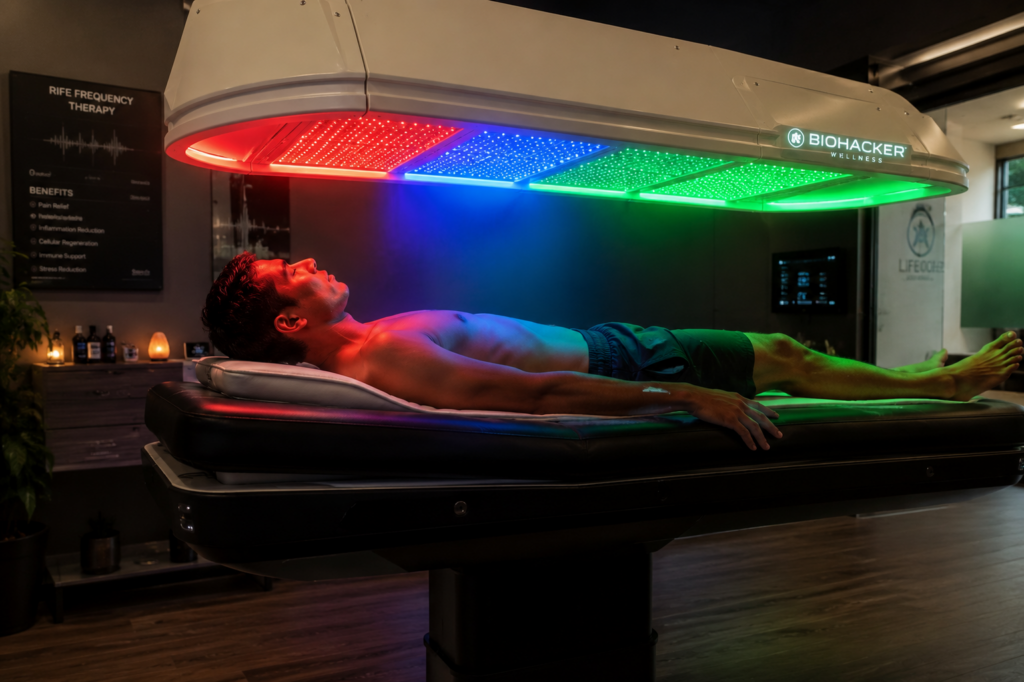
Red and near-infrared light therapy work at the cellular level to calm inflammation and support natural healing.
Here’s how:
- Stimulates mitochondrial function (your cells’ energy factories)
- Increases circulation and oxygen delivery
- Reduces oxidative stress and pro-inflammatory cytokines
- Supports collagen repair in joints, muscles, and skin
When the body’s inflammatory response is balanced, it can repair more efficiently — which means less pain, better mobility, and a renewed sense of energy. Check out more in-depth info about the benefits of light therapy on inflammation.
The Takeaway
- Inflammation = your body’s repair signal.
- Arthritis = a chronic condition where inflammation becomes damaging.
- Light Therapy = a natural way to calm inflammation and support your body’s ability to heal itself.
At Light Therapy San Diego, we help you restore balance from within. Whether you’re managing chronic joint pain, recovering from an injury, or simply want to reduce inflammation naturally, our sessions are designed to help your body do what it was made to do — heal itself.
Ready to reduce inflammation naturally? Book your first light therapy session today (It’s FREE!) and feel the difference.
Learn more about the benefits of Red-Light Therapy in today’s world here.